
Wrongful Death Lawyers in Florida
When a Life Is Taken Too Soon, Your Family Deserves Answers
How the Florida Wrongful Death Act Works
Losing someone you love is overwhelming, especially when the death could have been prevented. You may not yet know what to call what happened. This page explains, in plain terms, what Florida law allows a family to do. Silva & Silva represents families in wrongful death cases across Florida from its office in Coral Gables.
In Florida, the claim is created by statute: the Florida Wrongful Death Act, Fla. Stat. §§ 768.16–768.26. The Act declares the state’s public policy “to shift the losses resulting when wrongful death occurs from the survivors of the decedent to the wrongdoer,” and directs that it be liberally construed (Fla. Stat. § 768.17).
The right to bring the claim comes from Fla. Stat. § 768.19. It applies when a death is caused by the wrongful act, negligence, default, or breach of contract or warranty of any person, including deaths on navigable waters, and the person who died could have sued for the injury if he or she had lived. The claim exists even if the circumstances of the death amount to a felony.
A wrongful death claim is not a personal injury case carried forward. When a personal injury causes the death, no action for the personal injury survives, and a personal injury lawsuit pending at the time of death abates, which means it ends (Fla. Stat. § 768.20). If the person responsible has also died, the claim is brought against that person’s personal representative.
This isn’t just a legal case.
It’s your family, your future, and your peace of mind.
Who May Bring a Wrongful Death Claim in Florida
Only the personal representative of the estate of the person who died can file a Florida wrongful death lawsuit. Under § 768.20, the personal representative recovers “for the benefit of the decedent’s survivors and estate” all the damages the Act allows. Survivors do not file separate suits of their own. Instead, all potential beneficiaries, including the estate, must be identified in the complaint, with each one’s relationship to the decedent alleged (Fla. Stat. § 768.21).
The probate court appoints the personal representative, following an order of preference set by Fla. Stat. § 733.301. When there is a will, the person the will names comes first. When there is no will, the surviving spouse comes first, then the person selected by a majority in interest of the heirs, then the heir nearest in degree. Read our explainer on who can file a wrongful death lawsuit in Florida.
Who Counts as a Survivor
Damages under the Act go to the estate and to the “survivors,” a term defined in Fla. Stat. § 768.18(1): “‘Survivors’ means the decedent’s spouse, children, parents, and, when partly or wholly dependent on the decedent for support or services, any blood relatives and adoptive brothers and sisters. It includes the child born out of wedlock of a mother, but not the child born out of wedlock of the father unless the father has recognized a responsibility for the child’s support.”
So a spouse, child or parent qualifies without showing dependency, apart from the rule for a father’s child born out of wedlock. Other blood relatives, and adoptive brothers and sisters, qualify only if they were partly or wholly dependent on the decedent for support or services.
One more definition matters. In this Act, “minor children” means children under 25 years of age, notwithstanding the age of majority (§ 768.18(2)). Several of the damages below turn on that line.
Two Kinds of Damages: the Survivors’ and the Estate’s
Section 768.21 divides a recovery into two parts. The first belongs to the survivors, by relationship:
- Each survivor may recover lost support and services, from the date of the injury into the future.
- A surviving spouse may also recover for lost companionship and protection, and for mental pain and suffering.
- Minor children, and all children if there is no surviving spouse, may also recover for lost parental companionship, instruction and guidance, and for mental pain and suffering.
- Each parent of a deceased minor child may also recover for mental pain and suffering; a parent of an adult child, only if there are no other survivors.
- A survivor who paid medical or funeral expenses may recover them.
The estate’s part is recovered by the personal representative: the decedent’s lost earnings between the injury and the death, less the survivors’ lost support; in some cases, lost “prospective net accumulations,” the savings the decedent probably would have left; and medical or funeral expenses charged to the estate or paid by or for the decedent. The estate’s award, not the survivors’ shares, is subject to creditors’ claims under probate law (§ 768.21(7)). Read more about what damages a family can recover in a Florida wrongful death case.
The Deadline to File, and the Exceptions
Florida’s limitations statute lists an action for wrongful death among the actions that must be commenced within two years (Fla. Stat. § 95.11(5)(e)). In most cases, the two years run from the date of death, not the date of the accident. Florida’s 2023 tort-reform law, HB 837, did not change this period.
When the death was caused by medical care, another paragraph must also be checked. Section 95.11(5)(c) governs medical malpractice actions, including claims “because of the death” of a person. Its two years run from the incident, or from when the incident was discovered or should have been discovered, and in most cases no action may be brought more than four years after the incident. Which paragraph controls, and when the clock started, depends on the facts.
One exception removes the deadline. Under § 95.11(11), a wrongful death action against a natural person for an intentional tort resulting in death from acts described in Fla. Stat. § 782.04 (murder) or Fla. Stat. § 782.07 (manslaughter) may be brought at any time, and no arrest, criminal charge or conviction is required. The exception reaches only the claim against that person; a negligence claim against someone else, such as a property owner whose security failed, stays on the two-year clock.
Do not wait. Evidence can be lost, witnesses become harder to find, and a personal representative normally must be appointed by the probate court before the suit is filed. When the claim arises from medical care, Florida’s medical negligence presuit steps also come first.
The Medical Negligence Exception, and Where Its Repeal Stands
One subsection limits what some survivors may recover when medical negligence caused the death. Fla. Stat. § 768.21(8) reads: “The damages specified in subsection (3) shall not be recoverable by adult children and the damages specified in subsection (4) shall not be recoverable by parents of an adult child with respect to claims for medical negligence as defined by s. 766.106(1).” That definition covers “a claim, arising out of the rendering of, or the failure to render, medical care or services” (Fla. Stat. § 766.106(1)).
In plain English, when medical negligence caused the death:
- An adult child cannot recover for lost parental companionship, instruction and guidance, or for his or her own mental pain and suffering.
- A parent of an adult child cannot recover for mental pain and suffering.
Because the Act defines “minor children” as children under 25, these limits reach children who are 25 or older. The subsection does not affect the estate’s claim or the other survivors’ claims, such as a surviving spouse’s or a minor child’s. Adult children and parents also keep any claim for lost support and services, and for medical or funeral bills they paid. In public debate, the provision is sometimes called the “free kill” exception.
Checked October 14, 2026: HB 6017 (2025), which would have repealed the exception, passed both chambers and was vetoed by the Governor on May 29, 2025; HB 6003 (2026) passed the House and died in the Senate Rules Committee on March 13, 2026; the exception remains in force.
How to Choose a Wrongful Death Attorney: What to Ask in a Consultation
If you are looking for a wrongful death lawyer in Miami, or anywhere in Florida, a consultation is where you learn how a firm would handle your family’s case. Ask direct questions. These are the ones we suggest asking any firm, including ours:
- How many wrongful death cases has the firm tried to a verdict?
- Who will actually handle our case, and who will be in the courtroom if it goes to trial? Ask for names.
- How will the personal representative and the survivors’ claims be organized? The personal representative files for everyone, but each survivor’s losses are different. While the case is pending, a settlement as to amount or apportionment that any survivor objects to, or that affects a survivor who is a minor or an incompetent, is not effective unless the court approves it (Fla. Stat. § 768.25).
- If the death arose from medical care, how will the firm handle the presuit requirements? Before a medical negligence suit is filed, Florida requires a presuit investigation and a notice of intent to each prospective defendant, and “[a] suit may not be filed for a period of 90 days after notice is delivered to any prospective defendant” (Fla. Stat. § 766.106(3)(a)).
- What is the fee, and how are case costs handled? Ask to see both in writing. At Silva & Silva, the answer on fees is no fees unless we recover.
- How often will we hear from the lawyer handling the case? Ask who your day-to-day contact will be.
- What happens if the case does not settle? Silva & Silva prepares every case for trial from day one.
Silva & Silva is a trial firm in Coral Gables that focuses on complex injury and death cases across Florida. Our office is in Miami-Dade County, and we serve clients in English and Spanish.
The Wrongful Death Cases Silva & Silva Handles
Medical negligence. Deaths caused by surgical or anesthesia errors, a missed or delayed diagnosis, or a medication error. Silva & Silva was founded by two brothers whose own mother was lost to medical negligence in 1979. Read about our medical malpractice cases.
Fatal truck crashes. In truck accident cases involving tractor-trailers and other commercial trucks, the driver, the trucking company and others may share responsibility for a death.
Building and structure collapses. Deaths when a building, a bridge or another structure collapses, and deaths on construction sites, where owners, contractors and engineers may share responsibility. See our construction accident cases.
Aviation. Deaths in commercial and private aircraft crashes, where an operator, a maintenance company or a manufacturer may be responsible. See our air disaster cases.
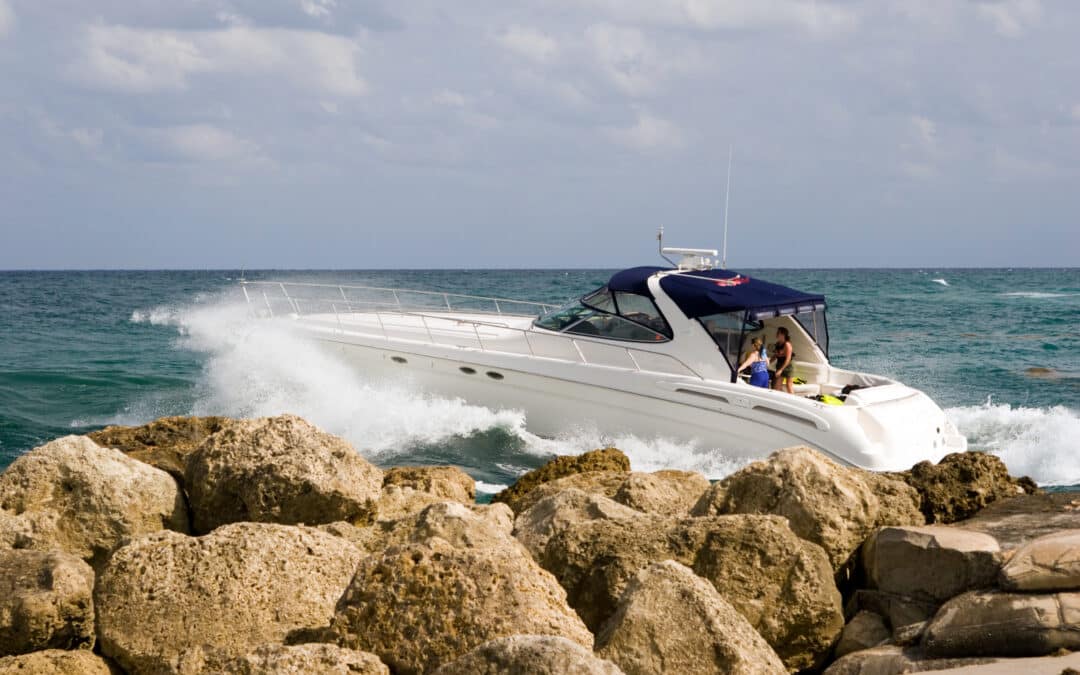
Cruise and maritime. Deaths on cruise ships, boats and other vessels. Florida’s Act reaches deaths on navigable waters, but federal maritime law may govern instead, and its deadlines can differ. Learn more about our maritime negligence cases and cruise ship accident cases.
Negligent security. Deaths from shootings, assaults and other violent crimes at apartment complexes, hotels, parking lots and other properties where the owner’s or manager’s security may have fallen short. See our negligent security cases.
Drowning. Drownings at home, apartment, hotel and community pools, where barriers, gates or supervision may have failed. See our swimming pool negligence cases.
The firm also handles deaths in car crashes, motorcycle crashes and pedestrian accidents, in nursing homes, at workplaces, and from unsafe property conditions.
If you have lost someone and want to understand your family’s options, request a free consultation.
Speak With Someone Who Understands
If you’ve lost a loved one due to someone else’s actions, you don’t have to figure this out alone. We’re here to listen, guide you, and help you take the next step at your pace. Contact Silva & Silva today for a free, confidential consultation.
What Families Often Ask
What should I do first after losing a loved one in an accident?
Take care of your family first. When you are ready, keep every document you receive: the death certificate, the police or incident report number, medical records, bills, and insurance letters. Write down witnesses’ names while memories are fresh. Be careful about giving a recorded statement or signing a release before you understand your family’s rights. Then ask a lawyer when your deadline runs and who should serve as personal representative, since that appointment normally comes before the lawsuit is filed.
How much is a wrongful death case worth in Florida?
No one can responsibly value a case before the facts are known, and no formula or average fits every family. Florida law sets the structure. Each survivor’s damages depend on the relationship to the person who died: lost support and services; a spouse’s loss of companionship and protection; children’s lost parental companionship, instruction and guidance; and mental pain and suffering where the Act allows it. The estate has its own claim, including lost earnings between the injury and the death. Our explainer on what damages a family can recover covers each category.
Can I file a wrongful death claim in Florida if I am not the personal representative?
No. Under Fla. Stat. § 768.20, only the personal representative of the estate brings the action, for the benefit of every survivor and the estate. If you are a survivor under the Act, your losses are still part of the case: every potential beneficiary must be identified in the complaint, and while the case is pending, a settlement as to amount or apportionment that any survivor objects to is not effective unless the court approves it (§ 768.25). If no personal representative has been appointed, the probate court appoints one under the order of preference in § 733.301. Read more about who can file a wrongful death claim in Florida.
How long do I have to file a wrongful death lawsuit in Florida?
Generally two years. A wrongful death action must be commenced within two years (Fla. Stat. § 95.11(5)(e)), and in most cases the two years run from the date of death. If medical care caused the death, the medical malpractice limits in § 95.11(5)(c) must also be checked. A claim against a natural person for an intentional tort resulting in death from acts described in § 782.04 (murder) or § 782.07 (manslaughter) may be brought at any time, with no arrest, charge or conviction required. Do not wait: only the personal representative can bring the suit, so the probate appointment is usually the family’s first legal step.
How much does it cost to hire a wrongful death lawyer?
Silva & Silva handles wrongful death cases with no fees unless we recover. The consultation is free. When a case produces a recovery, the Act says the personal representative pays the attorneys’ fees and other litigation expenses, and they are deducted from the awards to the survivors and the estate in proportion to the amounts awarded; an expense incurred for one survivor or for the estate comes from that award (Fla. Stat. § 768.26). Whichever firm you choose, ask to see the fee and cost terms in writing.
Why should I choose Silva & Silva?
- Over $1.2 billion recovered for clients
- Serving families since 1992
- Extensive experience with complex, high-value cases
- Personalized attention; your case is never just a number
We combine compassion with the strength to take on insurance companies and large corporations when it matters most.
Silva & Silva
Complex Cases. Courtroom Results.
From aviation disasters to structural collapses, our trial lawyers take on complex catastrophic injury and wrongful death cases that demand aggressive litigation and withstand scrutiny.









OUR MISSION
Case Results for Catastrophic Injury
& Wrongful Death Claims
Justice is not measured by numbers alone—but outcomes matter when accountability is denied. Our firm has secured landmark results for victims of negligence and mass harm, including:
For the Victims of the Champlain Towers
For the Victims of a Terrorist Attack
For a Victim of Medical Malpractice
For the Victims of a Wrongful Death Boating Accident
For a Victim of Negligent Security
For Victims of the FIU Bridge Collapse
Trial Lawyers for Serious Cases
Our Law Firm
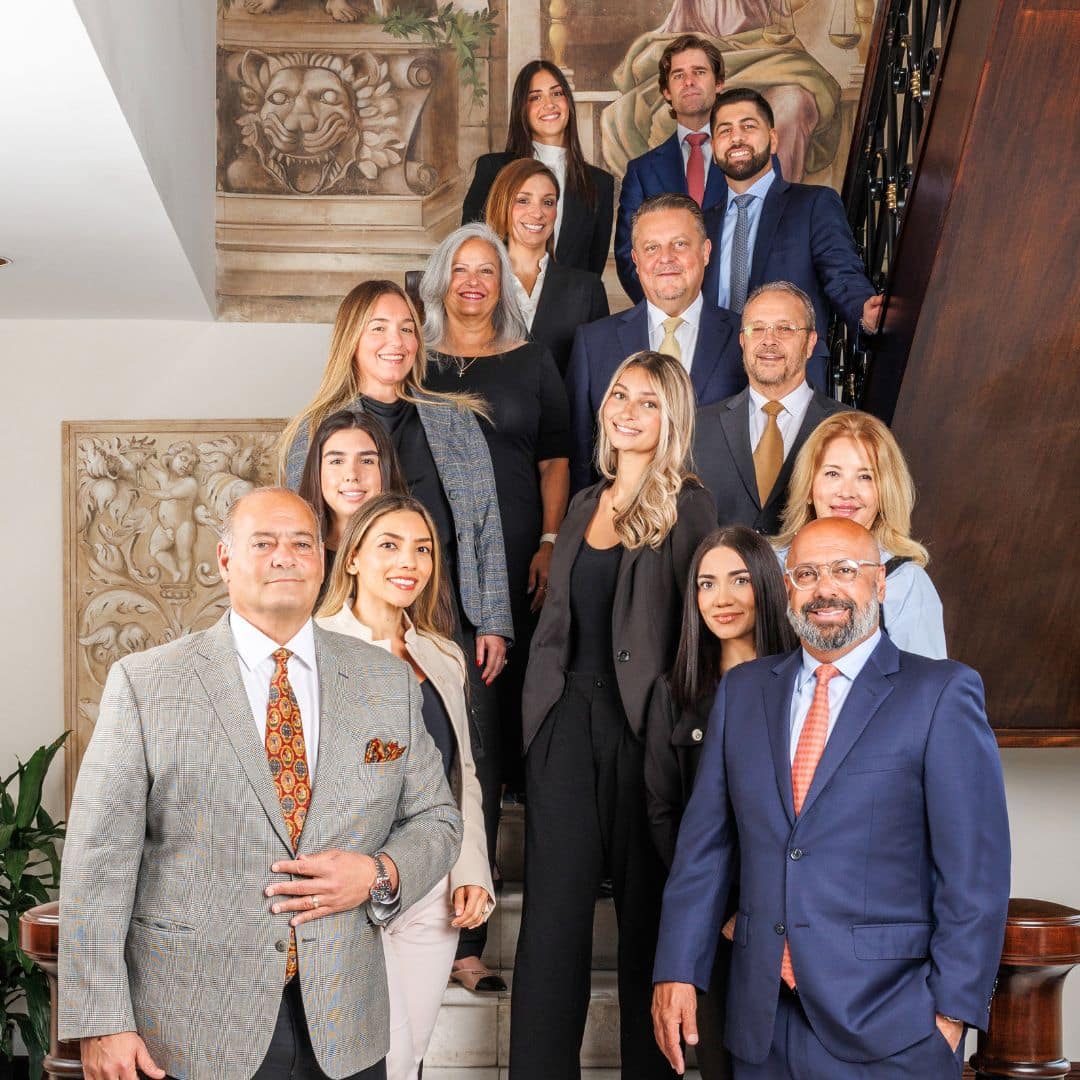
Silva & Silva is not a volume-settlement firm. We focus on complex litigation involving catastrophic injuries and wrongful death.
With seven attorneys and a deep litigation support team, our firm prepares every case for trial from day one.
Founding partners Jorge E. Silva and Carlos Silva have built a reputation for handling high-stakes matters across Florida. Our attorneys collaborate closely on major cases to deliver strategic, aggressive representation.
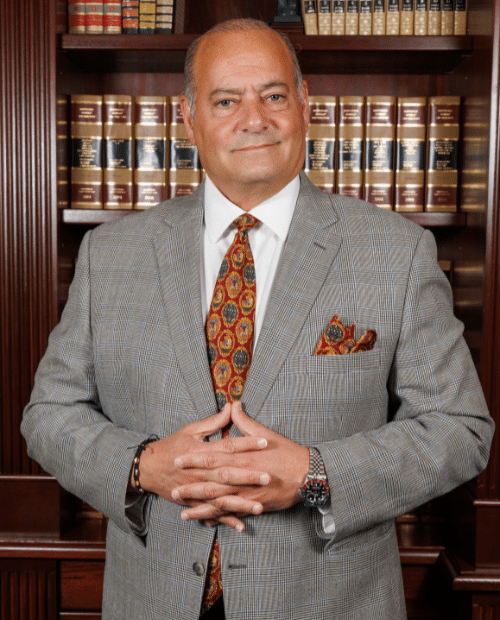
Carlos Silva
Carlos E. Silva gives a voice to victims and families who have suffered traumatic injuries and tragic deaths as a result of tortious conduct.
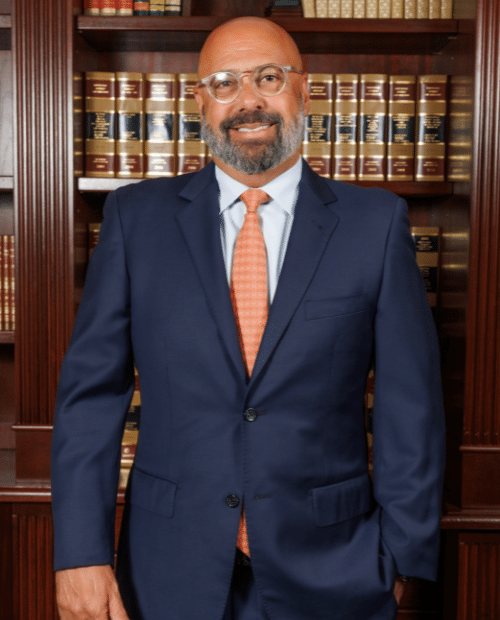
Jorge Silva
Jorge E. Silva is passionate about protecting victims and families who have suffered catastrophic medical malpractice events.

Testimonials
What Our Clients Say
Clients often say the difference is in how they’re treated. They’re not just another case; they’re people going through something serious. With honest guidance, consistent communication, and a results-driven approach, Silva & Silva has earned the trust of clients who needed someone in their corner.
